
High Point Court Docket Searches
The North Carolina eCourts Portal is the place to start. It runs a High Point court record search. Have the record or citation number ready if you can. No number? Use a party name. Set Location to Guilford. Only add filters like status, case type, or filed date if the results come back too wide. Open the Case Summary or Register of Actions once a match appears. Then read Assignment Information and Hearings closely. That step tells you whether the High Point division truly has the matter.
- Collect the High Point citation, notice, case number, or party name.
- Search Portal and select Guilford as the court location.
- Open the returned case rather than relying on the results list.
- Review the assignment, hearing, and case-event information.
- Use the clerk route if a High Point public record is missing, restricted, or needs certification.
Remember that the Portal covers the whole state. It is not a High Point city database. It handles public case information and eligible payments, but for inspection of a clerk-held file or an official certified copy, the clerk is the route.
High Point Court Record Division
You will find the High Point division at the Guilford County Courthouse, 505 East Green Drive, High Point, NC 27262. It is a working county court division. There is no High Point Municipal Court. The Guilford Clerk of Superior Court records court-bound traffic, misdemeanors, civil cases, small claims, and applicable ordinance matters. Superior Court and District Court offices at High Point keep separate local contacts, though their case records all live in the unified Guilford clerk system.
The official High Point courthouse page names the division and lists its public location details.
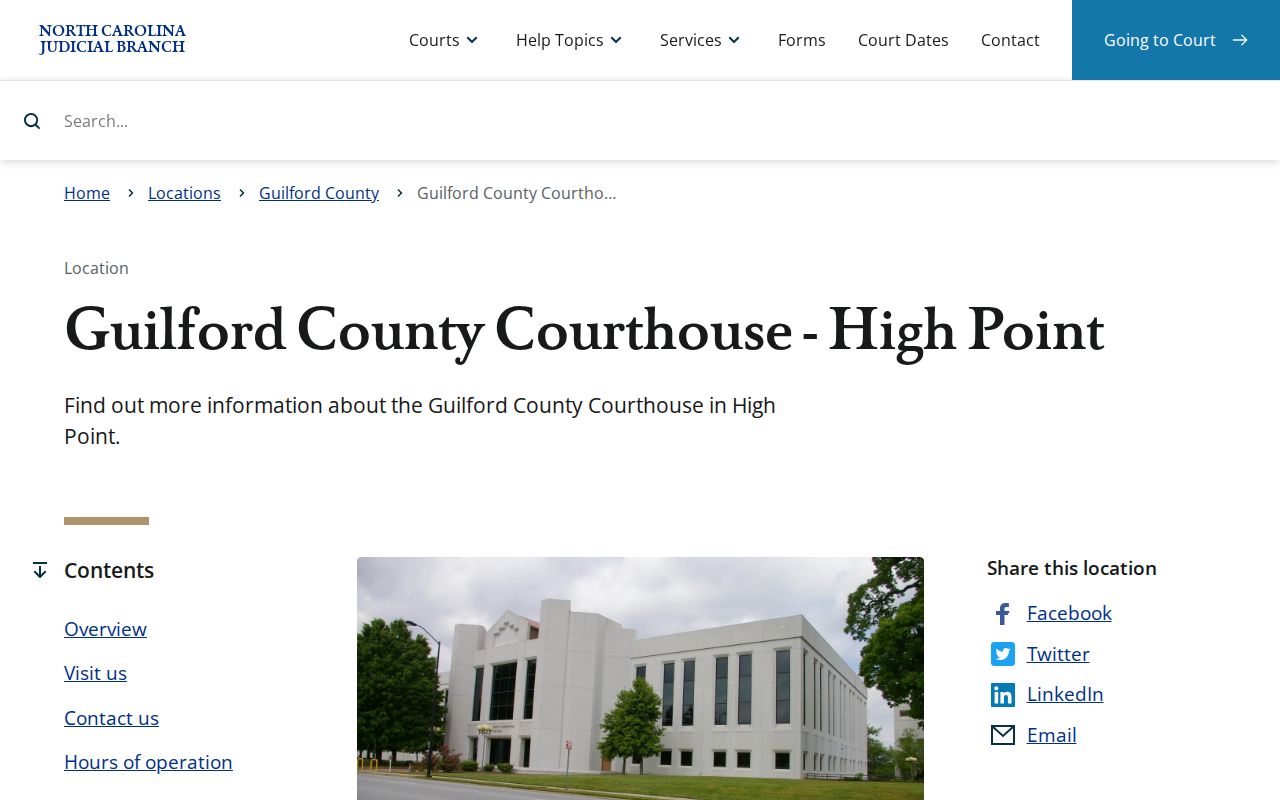
Go to the courthouse, not City Hall, to confirm a Guilford filing in person. The clerk's public hours are 8:30–12:45 and 1:45–5:00 on weekdays. Judicial Branch holidays close the doors.
Inside the High Point Municipal Court
High Point runs no separate municipal-court docket. So do not hunt a state citation through a city court that does not exist. The Guilford Clerk holds the court case record. The Portal is the remote starting point. A police report, a local fine, or an incident record may matter. None is the Register of Actions for a case.
High Point counted 114,059 residents in the 2020 Census. The city stretches into more than one county. So the name alone does not prove a High Point case is a Guilford filing.
The official Census profile for High Point supplies the population context.
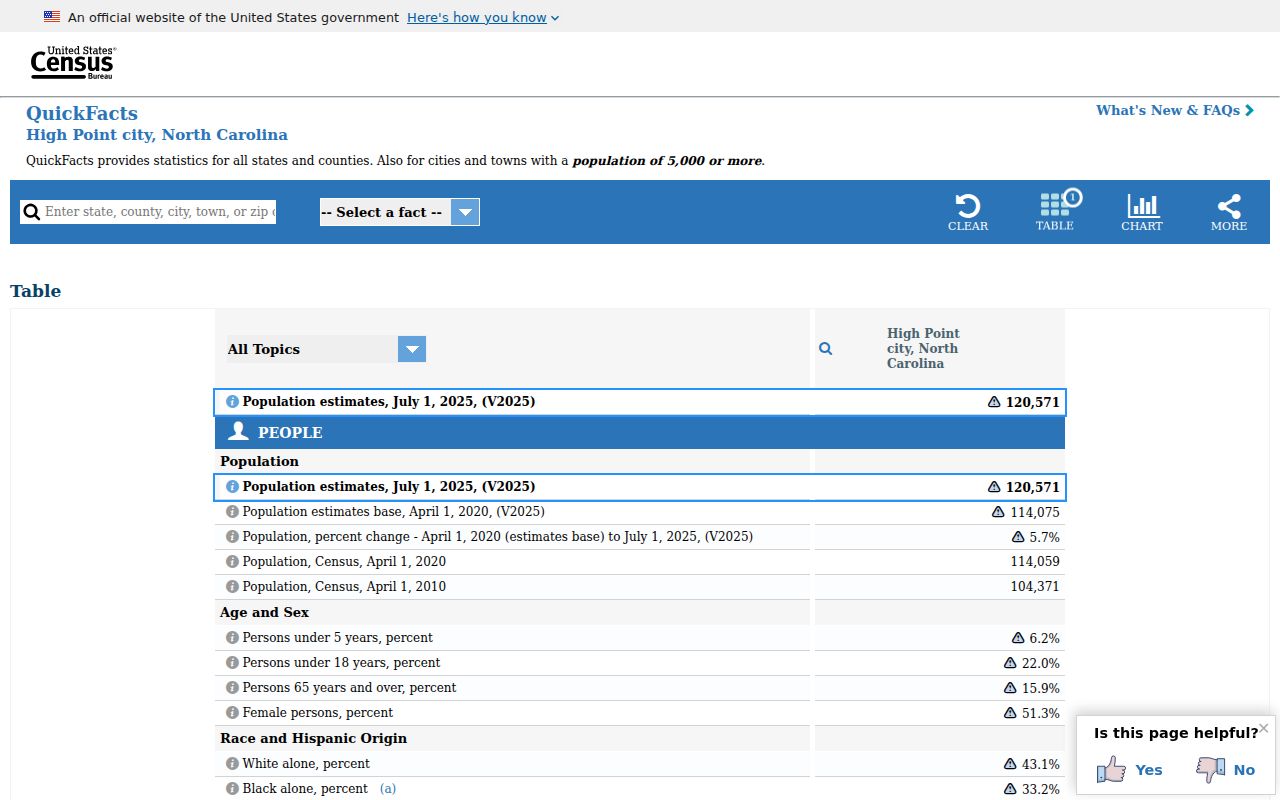
That population figure describes the incorporated place. It is not a tally of High Point court cases or Guilford docket entries.
High Point Court Record County Selection
High Point's boundaries cross county lines. A High Point address alone does not tell you where the court record lives. Portal's assigned location helps. So do the citation or case papers. For this Guilford resource, pick Guilford only when the matter was filed or assigned there. Another county means that county's clerk and court system.
The state's municipal population distribution materials show how High Point spans more than one county.
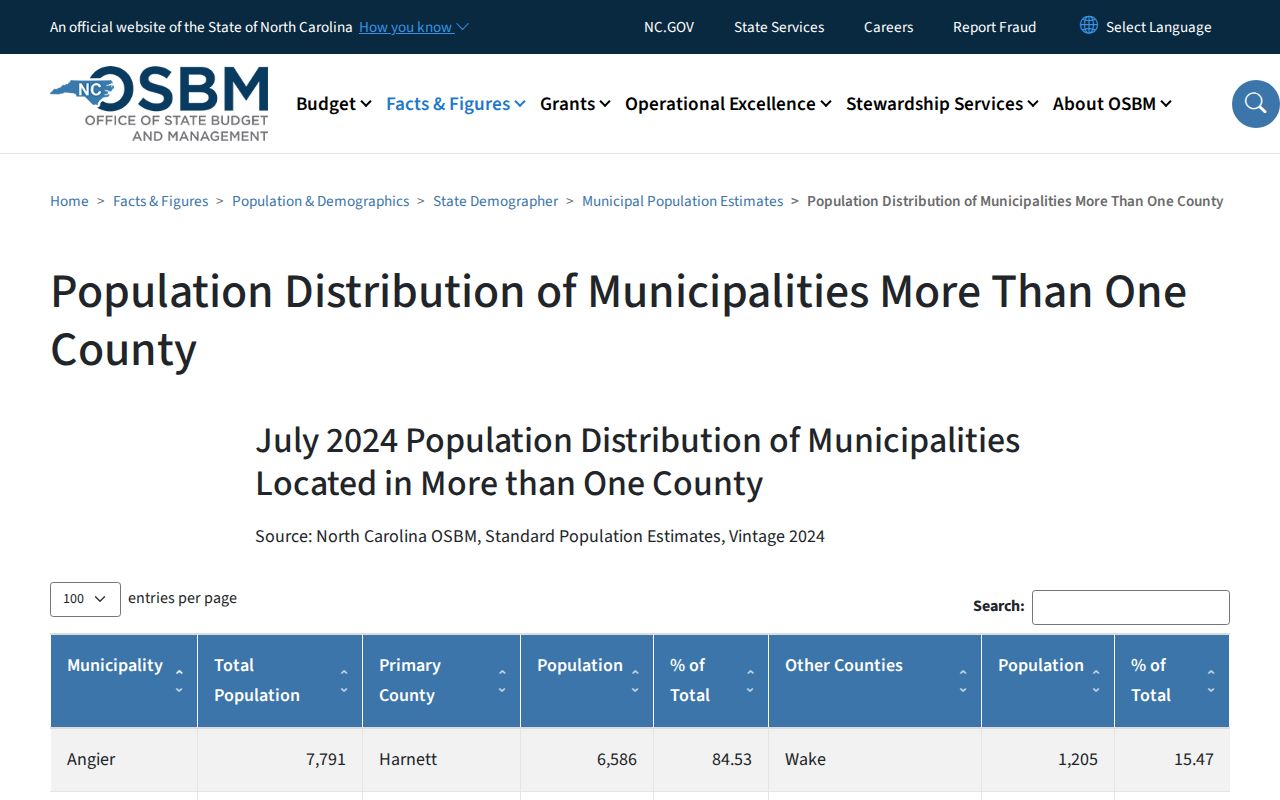
Choosing a county is a record-access decision. It says nothing about where a person lives, and it keeps a High Point name search from being mistaken for a full multi-county result.
Finding High Point Court Dates
In Portal, select Guilford. Search by hearing type, case, party, attorney, judicial officer, or courtroom, within a date range. Then open the hearing details. Finding a High Point court date takes two things. One is a case-specific Portal result. The other is the correct division calendar. High Point Superior Court runs separate spring and fall sessions. High Point District civil deadlines appear on Guilford's schedules page. A countywide list cannot replace the division named in the case record.
| Date | The current High Point hearing date in the case record, not only the original notice. |
|---|---|
| Time | The scheduled time or calendar-call time for the listed division. |
| Courtroom | The High Point courtroom or location returned by the current record. |
| Judge | The judicial officer shown in a record or used as a known Portal filter. |
| Setting Type | A first appearance, arraignment, pretrial, motion, trial, or another case event. |
For a Superior civil setting, the High Point Trial Court Coordinator handles the calendar locally. One caution: a reset request does not move the date. Only a new setting recorded in the court records does.
High Point Court Calendar Path
The Guilford local schedules page keeps High Point material separate from Greensboro material. High Point Superior sessions appear there. So does High Point civil scheduling information. That split helps a High Point reader. It matters when a reader spots a date conflict after opening the personal case record. A published session can describe a block of court time. It does not promise that every listed case will be called at one exact minute.
Watch the term Assignment Information. It ties a High Point case to its division. That keeps the city name from becoming an unreliable courthouse assumption.
High Point Court Record Appeal Route
A High Point case can shift divisions midstream. A misdemeanor or traffic judgment out of District Court may be appealed. It gets a fresh trial in Superior Court. Felonies reach Superior Court through the ordinary criminal path too. So read the location and assignment lines in the High Point record as the current trial-court division. Reread them after any appeal entry. Do not trust the old District Court setting.
An eligible Superior Court judgment can go up to the North Carolina Court of Appeals. That move does not open a new High Point city docket. The case simply changes courts. The lower-court clerk record stays essential for tracing the history and orders behind the appeal.
One practical tip: after an appeal entry appears, confirm the new setting and court location with the clerk or the right court office before you show up.
High Point Traffic Ticket Lookups
A High Point traffic citation filed in Guilford becomes a Guilford District Court record. Search Portal with the citation or case number and follow the current court-date information. Watch the prefixes. 26IF marks an infractions-only case under statewide guidance. 26CR means at least one criminal charge is attached. Either prefix tells you the record type and nothing about the outcome or payment eligibility.
An eligible waiver can be paid through Portal, by mail, or at the clerk counter. Guilford rules govern each route. Want to contest it? You must attend the assigned setting unless lawfully excused. Full county payment and hearing routes are laid out in Guilford traffic court records.
High Point traffic runs through no city municipal-court pay portal. Online card payments may carry processing fees, and the live Portal result controls eligibility.
High Point Fine and Court Records
High Point keeps local fines and state citations in separate worlds. A local ordinance fine or parking violation goes to the City's Collections Division. That office sits at City Hall. A North Carolina state citation is different. It instead follows the directions printed on it or the state court services. City Hall collections never holds the court Register of Actions for a High Point moving citation. So identify the document type first. Confirm it before you try to pay or search. The City's Pay a Fine/Ticket page spells out this local distinction.

The City page draws a clean line. A High Point collection item is not automatically a Guilford court case, and a state court citation is not a City Hall docket.
How High Point Cases Reach the County
Court-bound matters in High Point move through county trial divisions. A traffic case or misdemeanor usually starts in Guilford District Court, High Point division when assigned there. A felony or criminal appeal may go on to Guilford Superior Court. The assignment decides High Point or Greensboro. Further review can reach the North Carolina Court of Appeals. Trust the location named in the court record. Do not rely on a general city label. That location tells you where to ask about the setting.
Docket flow: High Point citation or case › Guilford District Court, High Point division › Guilford Superior Court as assigned › North Carolina Court of Appeals when applicable.
High Point Court Record Terminal
When a High Point public record is murky online, three tools help. These are the clerk terminal, the case file itself, and clerk staff. Start with phone numbers. The clerk/main line is (336) 822-6700. Superior judges sit at (336) 822-6716, District judges at (336) 822-6712, and magistrates at (336) 822-6719. The High Point secure drop box sits outside the public entrance. It is a filing route, not a docket-search tool.
Ask the filing office for a plain or certified copy. Note one limit. The High Point/Guilford clerk certifies a Guilford file, never a City of High Point record. Bring a case number and the known division. That makes the request far more reliable. A High Point city address might hint at another county.
Mail for the High Point clerk office goes to PO Box 2434, High Point, NC 27261. The secure drop box sits outside the public entrance to the right. Neither channel substitutes for opening the case in Portal or confirming a hearing with the High Point court office. A mailed or dropped filing will not trigger an instant public docket update.
If a Portal search still leaves a High Point record unclear, call. Describe the known case type and court division. That hands the clerk a usable path. The clerk can then reach the right file. That beats assuming a City Hall collection record is a court record.
Who Can See High Point Court Records
High Point court records in the Guilford system are generally open for public inspection unless a statute, court rule, or sealing order says otherwise. The clerk holds the District and Superior Court files. Public electronic results can be limited. A record containing confidential information may arrive redacted, and juvenile or other protected files will not surface in a routine name search.
Key Rules:
G.S. 7A-109 directs clerks to keep court records and opens them to inspection except where law prohibits access.
G.S. 132-6 supports examination and copies of public records within lawful limits.
G.S. 7B-3000 limits public inspection of juvenile court records.
The clerk can confirm whether a High Point record may be inspected, copied, or certified. A Portal search never overrides a confidentiality restriction.