
Greensboro Court Docket Searches
Most Greensboro docket lookups begin at the North Carolina eCourts Portal. Type a case number or a party name. Set Guilford as the location. Add a case type, status, or filing-date filter only if it helps narrow the results. For an infraction, the citation number often works better than a name. Open the case itself once results appear. A search card can look like the answer. But the assignment and hearing fields inside the record tell you which division actually holds the matter.
- Read the citation, notice, or prior order for a case or citation number.
- Search the eCourts Portal and set the Greensboro matter’s location to Guilford.
- Open the case record to review events, status, and the current hearing entry.
- Use the hearing search when the immediate need is a Greensboro court date.
- Call the clerk before appearing if the record and a paper notice conflict.
The Portal has no Greensboro municipal-court option. Guilford cases can land in High Point. So trust the location shown on the result rather than an address. Older or unclear public cases do not always surface remotely. For those, the Clerk of Superior Court's public terminal and paper-file request are the right next step.
Greensboro Court Record Route
Greensboro is the county seat. The Guilford County Courthouse at 201 South Eugene Street serves as the main clerk route for a Greensboro court record. One office covers both trial divisions. Traffic, infractions, misdemeanors, small claims, and many civil matters start in District Court. Felonies and certain appeals sit in Superior Court. The clerk still holds the record in both divisions. The official Guilford County Courthouse page lists the Greensboro courthouse and its public access details for visitors.
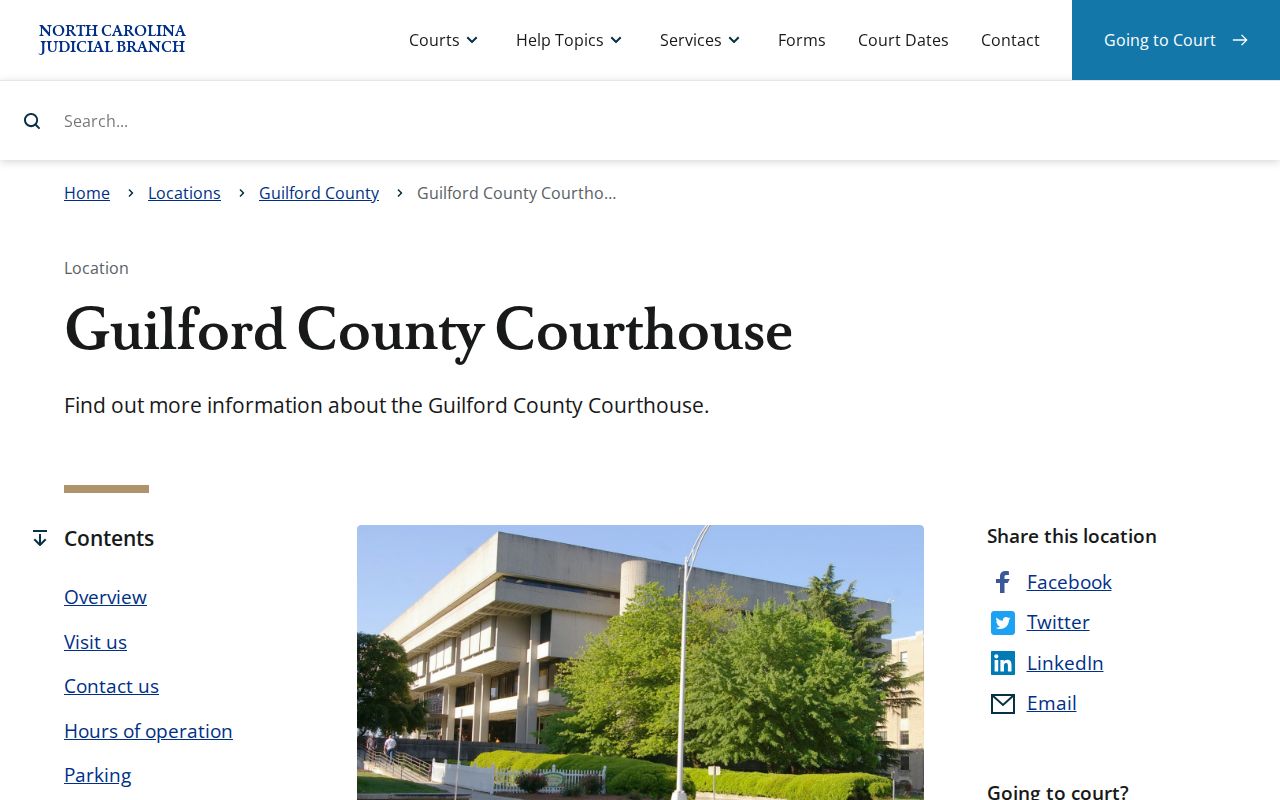
The courthouse is not a separate court system. It anchors the local court-record route. Call the clerk at (336) 412-7300. Public hours run 8:30–12:45 and 1:45–5:00 on weekdays, excluding Judicial Branch holidays.
Docket flow: Greensboro citation or case › Guilford District Court and Clerk record › Guilford Superior Court for a felony or appeal › North Carolina Court of Appeals when applicable.
A Greensboro inquiry goes best with three pieces: the local event, the Guilford case number, and the known court division. A citation can be read through the Greensboro courthouse route. Still, a Greensboro address alone identifies nothing. The Greensboro clerk system holds the Guilford trial-court file. So the city location helps a visitor find the counter. The record itself stays tied to its county custodian.
Inside the Greensboro Municipal Court
North Carolina has no Greensboro Municipal Court. That name can pull a search off course. Traffic citations, misdemeanors, and city ordinance matters tied to Greensboro land in Guilford District Court. The Clerk of Superior Court keeps those records. A Greensboro police report is different. It has its own custodian and cannot replace the court case file. For public access, the Judicial Branch's court-record guidance covers online case information, public self-service terminals, and inspection at the clerk office in the filing county.
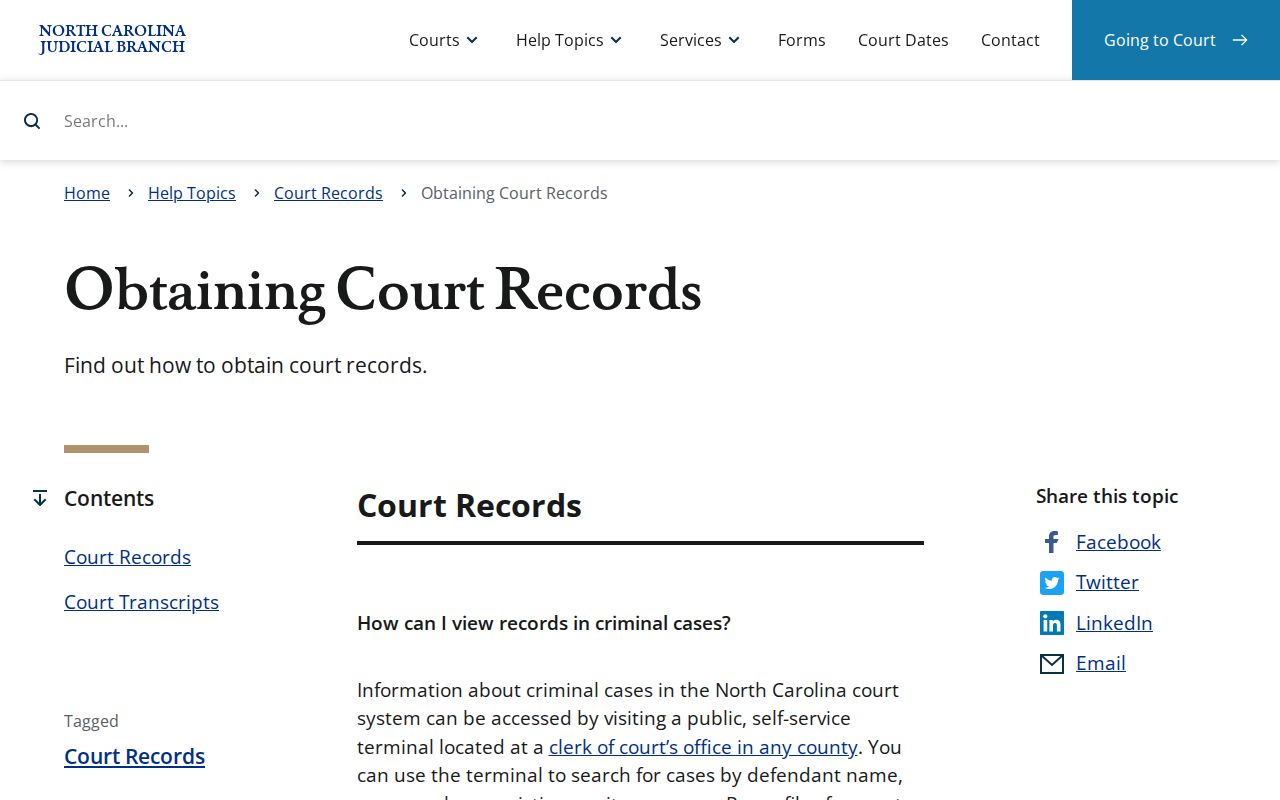
Why does that route matter? A Portal result is useful case information. An official or certified copy of a Greensboro docket comes only from the clerk-held court file.
Greensboro State and Federal Records
Not every Greensboro case lives in the same system. Guilford trial-court matters run through the state portal and clerk channels. Federal cases do not. They use a separate court and docket system. The dividing line is the court named on the filing, summons, order, or case caption. Identify that court before searching. A no-result in one system is not proof that no case exists. PACER is the federal judiciary's docket-access service, fully separate from the Guilford clerk record system.
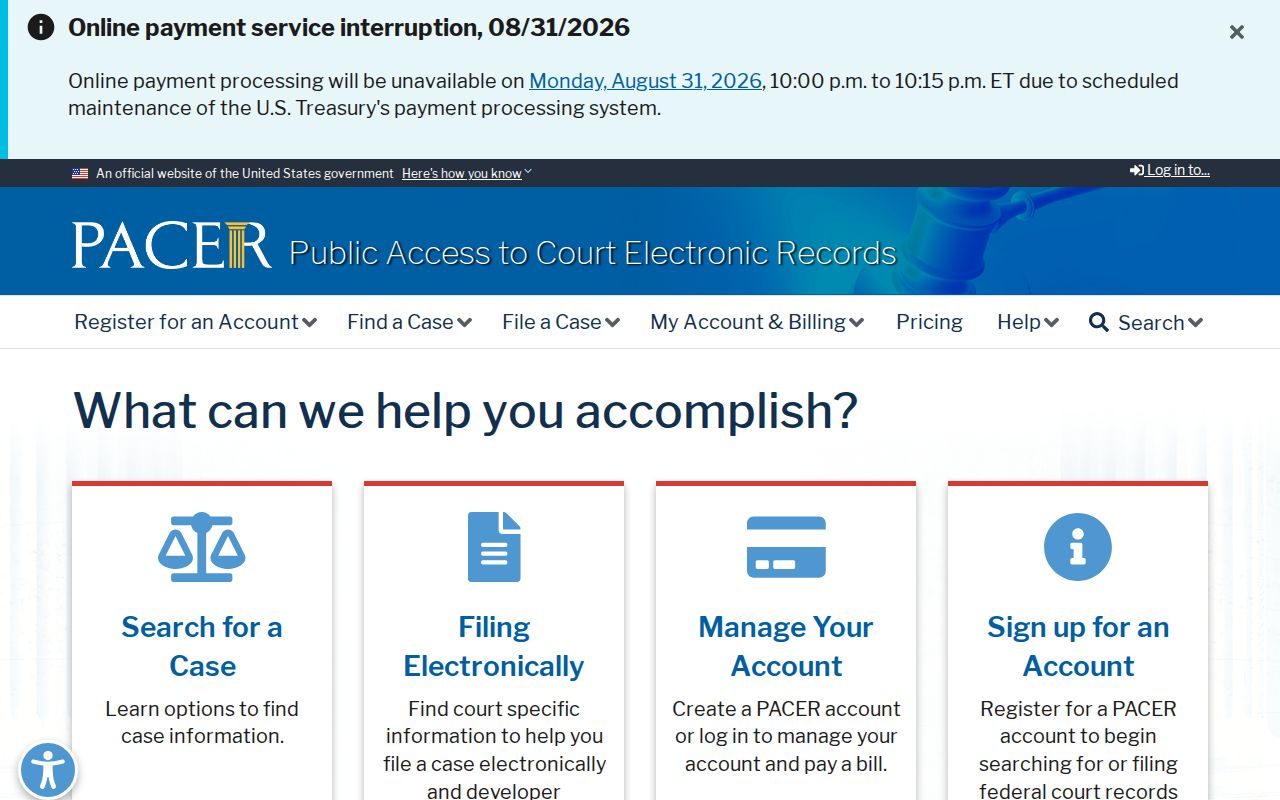
State cases start with the eCourts Portal, not the federal interface. The separate federal system offers no shortcut around sealed or confidential records in either place.
Greensboro Court Calendar Records
Greensboro calendars have more than one local layer. The Guilford schedules page splits Superior criminal and civil sessions. It also separates Greensboro-only District civil calendars and deadlines. A schedule can point to a session, courtroom, or civil calendar call. It cannot confirm your own hearing date. Only the case record does that. That split keeps a general session from reading as a personal court date. The Guilford local administrative schedules page publishes the city-division materials. When a Portal result and a calendar disagree, ask the clerk or court office. That office can say which setting is current. A continuance is a court-approved postponement. It is not merely a request someone filed. Greensboro Superior civil matters may need the trial-court coordinator too. Bring the courthouse division and case number so that inquiry has context.
Finding Greensboro Court Dates
Before trusting a printed citation or an old calendar, pull the individual Portal record for the Greensboro hearing. The date there is the live one. Search Hearings combines Guilford with a hearing type. You can add a party or case field and a range of dates. Check the courthouse assignment, the courtroom, and the event history so you can tell a current setting from a listing left over from an earlier session. Greensboro Superior and District schedules add local divisions and deadline tracks. Neither schedule replaces a case-specific docket check.
| Date | The current hearing date shown in the Greensboro case record or confirmed by the court. |
|---|---|
| Time | The scheduled appearance time; a calendar call may organize many cases rather than promise an exact hearing minute. |
| Courtroom | The listed Guilford location and courtroom, which should be read instead of assumed from a Greensboro address. |
| Judge | A judicial-officer field may help narrow a Portal hearing search when it is already known. |
| Setting Type | An arraignment, first appearance, pretrial, motion, trial, or other event recorded for the case. |
If a Greensboro court date looks off, pull the current docket entry first, then call the clerk or court office that holds the case. Asking for a continuance changes nothing by itself; the setting stands until the court enters a new one on the docket.
Greensboro Court Records and Population
Greensboro counted 299,035 residents in the 2020 Census. That number describes people, not cases. It is not a count of filings in any Guilford County court docket. What the city seat adds is geography: a large share of court users start at the clerk office on South Eugene. The docket itself stays a county record, no matter where inside Greensboro the citation or event began. For the underlying figures, see the Census profile for Greensboro. It shows the official population data.
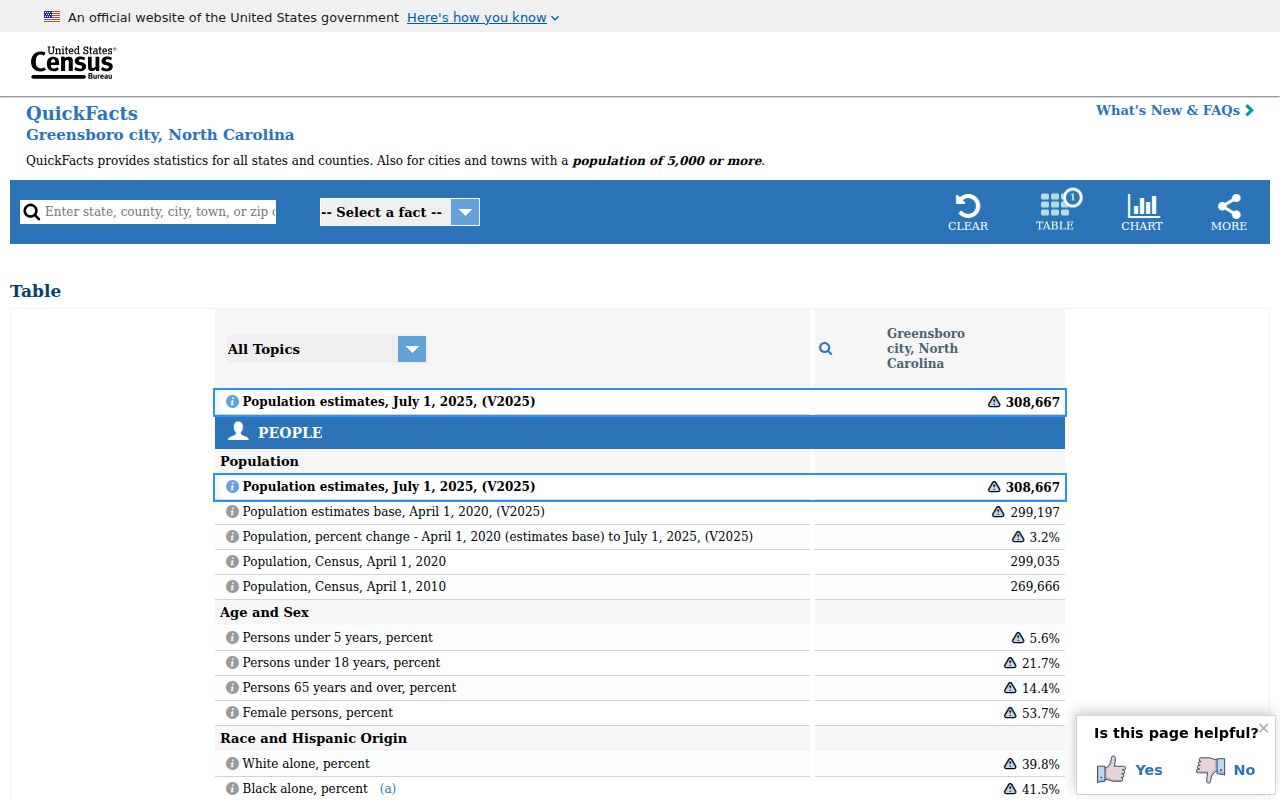
Treat population as city background and nothing more. It says nothing about the volume of Greensboro cases, court filings, or public records in Guilford County.
Greensboro Traffic Ticket Lookups
Caught a moving citation in Greensboro? It belongs to Guilford District Court. Look up the citation number or case number. Then check Portal for the hearing date and whether online payment is open for that case. Prefixes offer a quick hint: a 26IF number means infractions only under statewide guidance. 26CR means at least one criminal charge is attached. But the prefix alone never settles anything. The case record itself holds the current status and court setting.
If a waiver applies, you have three routes. Pay through Portal, by mail using the instructions on the citation, or in person at the clerk counter. Paying a waiver resolves the case with no appearance, and it counts as giving up the fight, not contesting the ticket. Countywide payment and date details sit on the Guilford traffic court record route.
Miss a Greensboro court date and the docket may show a "called and failed" entry, with Failure to Appear process to follow. Act fast: check Portal and ask the clerk. A city payment office is the wrong place for that question.
Greensboro Parking Record Lookup
A Greensboro parking ticket never touches the Guilford court docket. It runs through City Collections instead of the Clerk of Court. The clerk only handles moving violations. To find a parking record, search by license tag and state, or just by ticket number. Give it a day, though. A ticket written today may not show up until the next business day. Those fields pull up a city parking record, not a Guilford court case.
The City's parking lookup offers both the tag route and the ticket-number route. No court-case search is required.
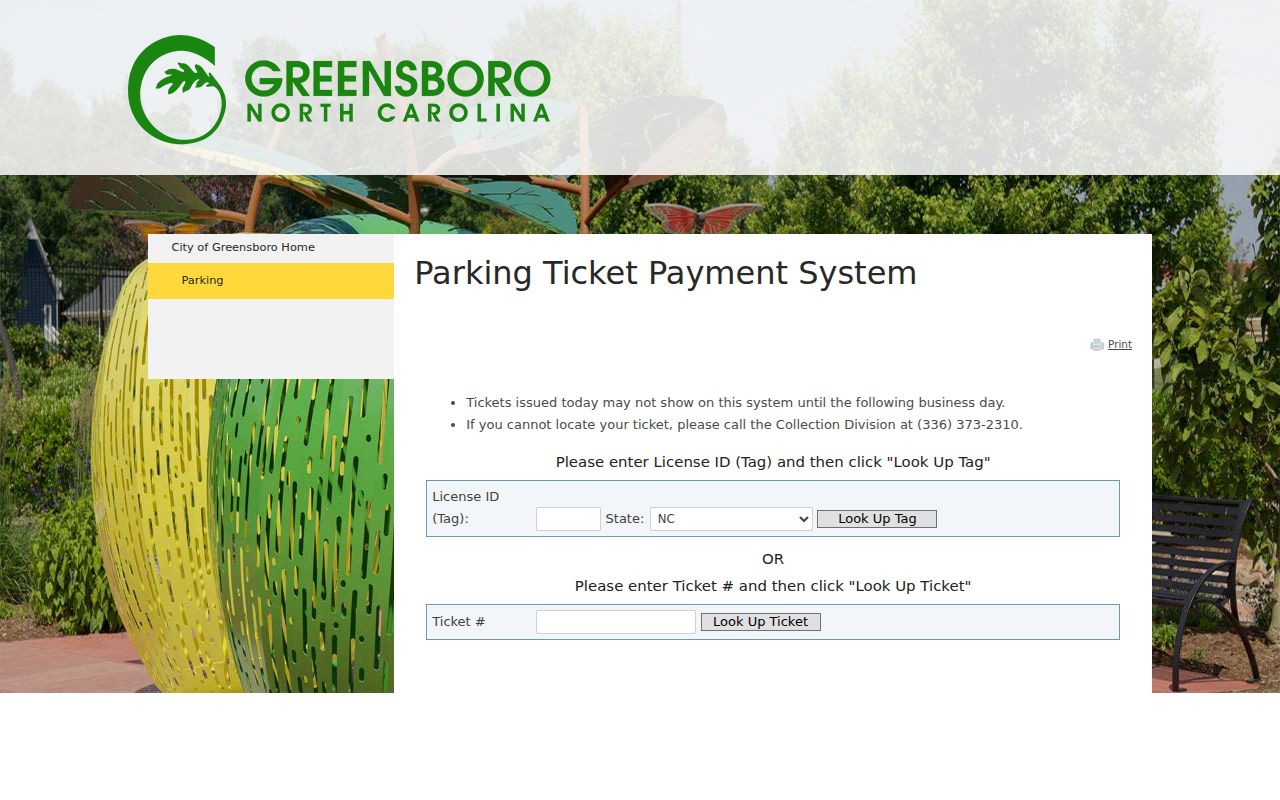
Mixing these two up is the most common Greensboro records mistake. A city parking appeal runs on its own clock and its own process. It is not an appeal of a Guilford District Court case.
Note: Greensboro Parking Enforcement sets an administrative appeal deadline of 10 days. That deadline does not change a court date printed on a state citation.
Think of it this way. Greensboro parking records point to a city collection item. Greensboro court records point to the case the Guilford clerk maintains. Follow the document type first, and the right search follows. A parking notice from the city does not create a Greensboro trial-court case. Not on its own.
How Greensboro Cases Reach the County
Greensboro cases don't sit in a city-court layer. Traffic and most misdemeanors begin in Guilford District Court. Felonies, Superior civil cases, and criminal appeals move up to Guilford Superior Court. Check the location printed in the case record along with the assignment information. Those two details name the division actually handling the matter. This routing also explains why a city address alone makes a poor court-record search field.
Once a case sits at the county level, the wider courthouse and search channels are gathered on the Guilford County court docket home. When you ask the clerk, bring the case number. Say whether the record is criminal, traffic, civil, estate, or a special proceeding.
Greensboro Court Record Copies
Case information you can see remotely is no promise of anything. Not every public document image is there too. Need a paper-file inspection, a plain copy, or a certified copy? Contact the clerk in the county where the case was filed. Guilford's 2025 eCourts kiosk deployment adds on-site search, printing, scanning, and related services. It cannot unlock restricted material, though.
Be clear with the clerk about what you want. A view of case information, a plain copy, and a certified copy are three different things. Only the clerk maintaining the file can certify a copy. The drop box near the courthouse is a filing channel. It is not a real-time records search.
For any Greensboro case, bring the case number. Say whether the matter is criminal, traffic, civil, estate, or a special proceeding. Those details let the clerk pull the right court file fast. That way it will not be confused with a city record or a police report.
Who Can See Greensboro Court Records
Most Greensboro court records are public. The office that holds them is the Guilford Clerk of Superior Court. That openness covers both District and Superior Court files. A few limits still apply. Laws, court rules, and sealing orders can keep certain material closed. Juvenile cases, expunged records, and other protected files stay off limits. And pulling up a case in a docket search does not grant permission to view every document inside it.
Key Rules:
G.S. 7A-109 requires clerks to keep court records and allows public inspection unless access is prohibited.
G.S. 132-6 supports inspection and copies of public records, subject to lawful limits.
G.S. 7B-3000 protects juvenile court records from ordinary public inspection.
Who gets to look at a file is a clerk question. If confidential material sits inside a record, the clerk can still release it. The protected parts come out blacked out. A fully protected file may simply not be produced at all.
For a Greensboro court record, access runs through the Guilford County file. No Greensboro department controls it. The Greensboro location adds nothing to what a person may see. Whether you want to inspect a Greensboro record, order a plain copy, or pay for a certified copy, one thing controls all three. The clerk's access determination.
The same rule covers Greensboro case information, Greensboro court dates, Greensboro citations, and Greensboro clerk copies. Every one of them draws on the Guilford file. Questions about Greensboro access limits, sealing rules, redactions, or certifications belong with the clerk. Ask the originating clerk before assuming anything is open.