
Gibsonville Court Docket Searches
Check the court paper first. It names the county and the courthouse. Guilford filings go into the state's eCourts Portal. Search by record number or name with the location set to Guilford, then narrow a broad result by case type, status, or filing date. Citation lookups accept a citation number, case number, party name, business name, or driver's license. Read what comes back. The returned assignment decides whether a hit is truly a Gibsonville court record.
- Confirm the Gibsonville citation or case’s county and court location.
- For a Guilford case, search Portal using the record number or party name.
- Select Guilford and use narrow filters only as needed.
- Open the case to review its assignment, events, and current hearing.
- If the case belongs to another county, contact that county’s clerk instead of repeating a Guilford search.
Portal caps broad searches at 200 results. It also cannot search by charge, so a Gibsonville docket search lives or dies on the county field and a specific case identifier.
Gibsonville Court Record County Line
The county line is the central fact. A case arising on the Guilford side belongs to Guilford's clerk and Portal system. Alamance assignment does not change that. A party's street or mailing address saying Gibsonville never converts an Alamance case into a Guilford court record. Match the clerk to the case's county, and never mail a payment or copy request based on the postal town alone. Gibsonville counted 8,920 residents in the 2020 Census. That number describes the town, not its caseload. State estimates split the town almost evenly between Guilford and Alamance, which is why the county check carries real weight here. The Census Bureau's 2020 incorporated-place table is the official source for that population figure. It reports place counts, not court filings.
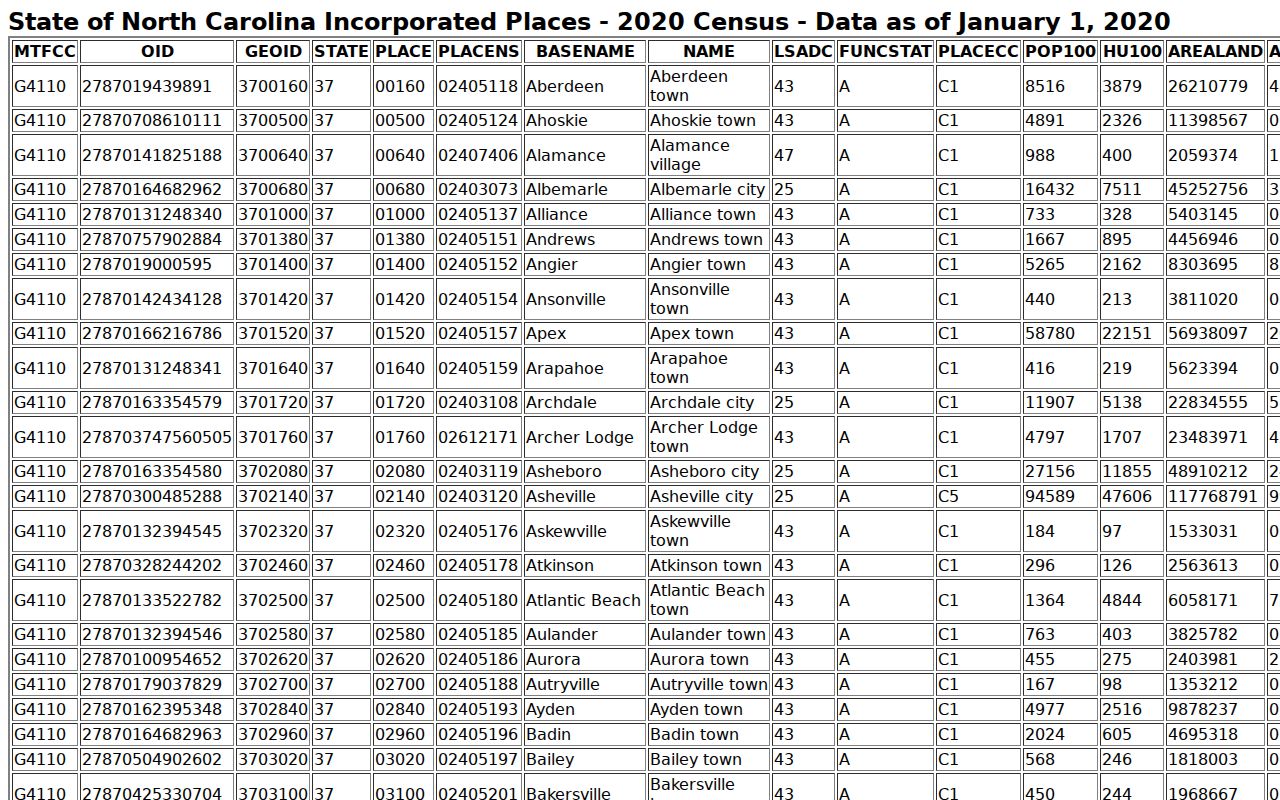
A headcount says nothing about docket volume. What it does show is why a Gibsonville court record search needs an assigned county, not just a place name.
Inside the Gibsonville Municipal Court
Gibsonville has no municipal court. Town matters that reach a judge are filed in Guilford or Alamance, depending on the county. The town does keep a police department. That department works with both county court systems. Its incident reports are agency records, not court dockets. For a hearing date or a case copy, the county clerk holding the filing is the right office. The Gibsonville Police Department page describes the town agency and its role.
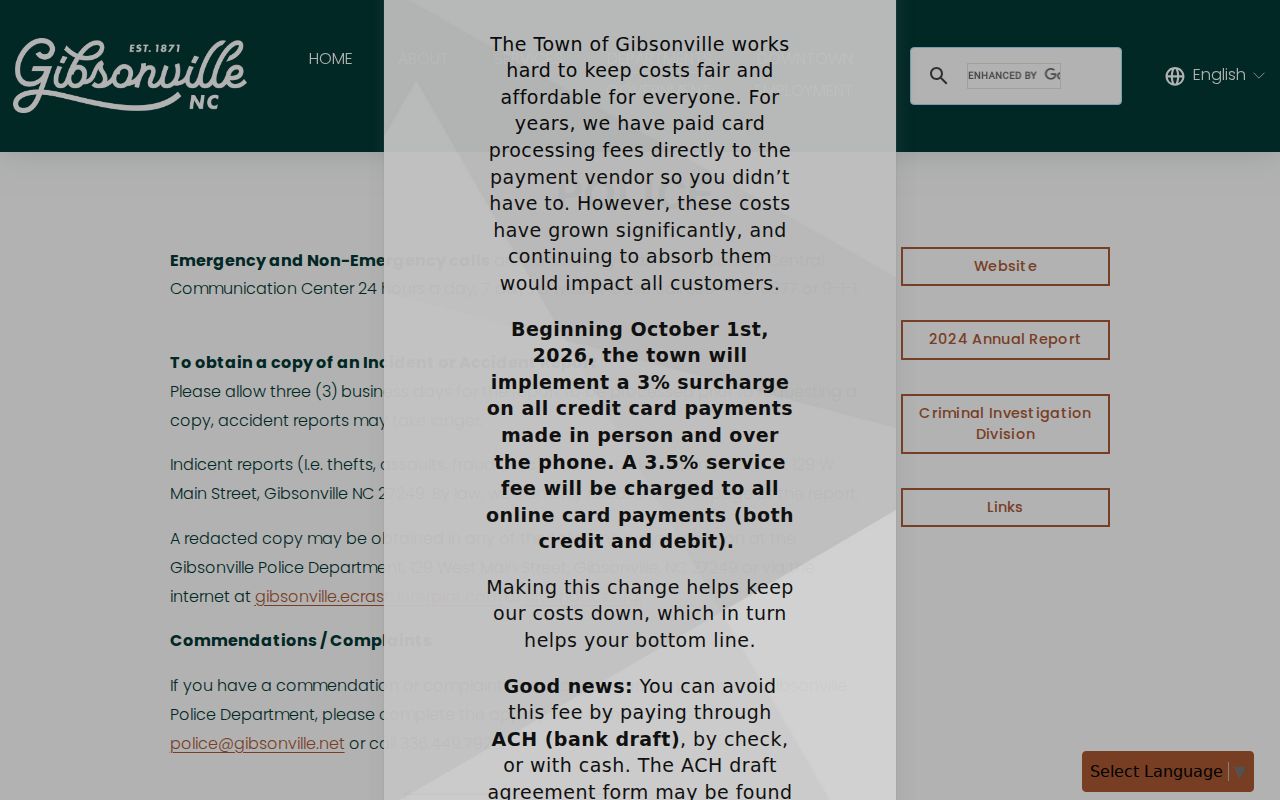
A police agency and a court clerk keep very different records. Court dates and case copies for Gibsonville come only from the county clerk route.
Gibsonville Court Record Guilford Filter
A Guilford filing starts with the Guilford location filter in Portal. Pick it before trusting any result. Hearing searches let you choose Guilford, the hearing type, search type, and date range. Then read the assignment details. A no-result means recheck the county. Citations follow the same rule, since the ticket's court-date and county fields control payment and appearance instructions. The in-person fallback sits at the Greensboro courthouse at 201 South Eugene Street. The clerk line is (336) 412-7300. Public terminals in clerk offices help with public court information. An Alamance filing needs the Alamance clerk instead. Let the Gibsonville court papers name the county. A name search alone can return an incomplete picture of Gibsonville matters. If the papers say Guilford, select Guilford; if they say Alamance, stop the Guilford search and call the other clerk.
Finding Gibsonville Court Dates
A Gibsonville court date is only as good as the filed county's record. For Guilford, open the Portal case. Compare the current hearing entry with the citation or notice in hand. The event history explains a changed date. Division or session context lives on the Guilford schedules page. But an old calendar never answers a personal-case question. A new court order or a current Portal event is stronger. It is the better evidence of a reset.
| Date | The active hearing date shown for the Gibsonville case in its filed county. |
|---|---|
| Time | The scheduled appearance or calendar-call time, subject to the court’s current instructions. |
| Courtroom | The Guilford division and room in the assigned case, not a presumed town venue. |
| Judge | A judicial officer shown in the hearing result or used as a known search field. |
| Setting Type | An arraignment, first appearance, pretrial, motion, trial, or other recorded event. |
A date that still conflicts with a notice belongs with the clerk of the county holding the case. A continuance request alone changes nothing.
Gibsonville Court Record Prefixes
Statewide case-number guidance offers a handy but limited way to read a Gibsonville Guilford traffic file. 26IF means infractions only. 26CR points to at least one criminal charge. The two digits that follow show the charging year. These markers separate a citation-related record from other case types, yet they say nothing about a disposition, a payment amount, or a next court date.
- Assignment
- The court division or location attached to a filed case; it is vital for a Gibsonville search.
- Case event
- A dated filing, hearing, order, or other action in the case record.
- Called and failed
- A traffic or criminal notation for failure to appear, which requires court or clerk follow-up.
Read the full case entry before acting. A suspended, failed, or appealed Portal status is a reason to confirm with the court. It is not a reason to self-diagnose. For Gibsonville records, the prefix stays just a reading aid. The county field and the clerk's own check decide the case's live status.
Gibsonville Traffic Ticket Lookups
Sort out the county before you pay, contest, or hunt for a hearing date on a Gibsonville traffic ticket. Guilford filings are District Court matters. That clerk's rules let you handle an eligible waiver through Portal, in person, or by mail. If you plan to fight the ticket, show up at the current setting in the county that filed the case. The county printed on the citation controls; the town listed as the incident location does not.
Payment methods and the fallout from a missed date for a Guilford traffic record are laid out in the countywide traffic court information. Never route an Alamance citation to Guilford just because the address says Gibsonville. A public Portal search can show a current Guilford setting, but when payment eligibility or the county assignment is unclear, ask the clerk.
Gibsonville Court Record Clerk Channels
Gibsonville's police FAQ turns the two-county split into something practical. Guilford court-date questions go to (336) 412-7300. Alamance questions go to (336) 570-5200. Neither number changes how either clerk handles court records. The town police report-release practice plays no part in it. On the Guilford side, the clerk can locate a public file and tell a plain copy from a certified copy. The clerk can also confirm which courthouse holds the case. The official Gibsonville Police FAQ spells out the two-county contact distinction.
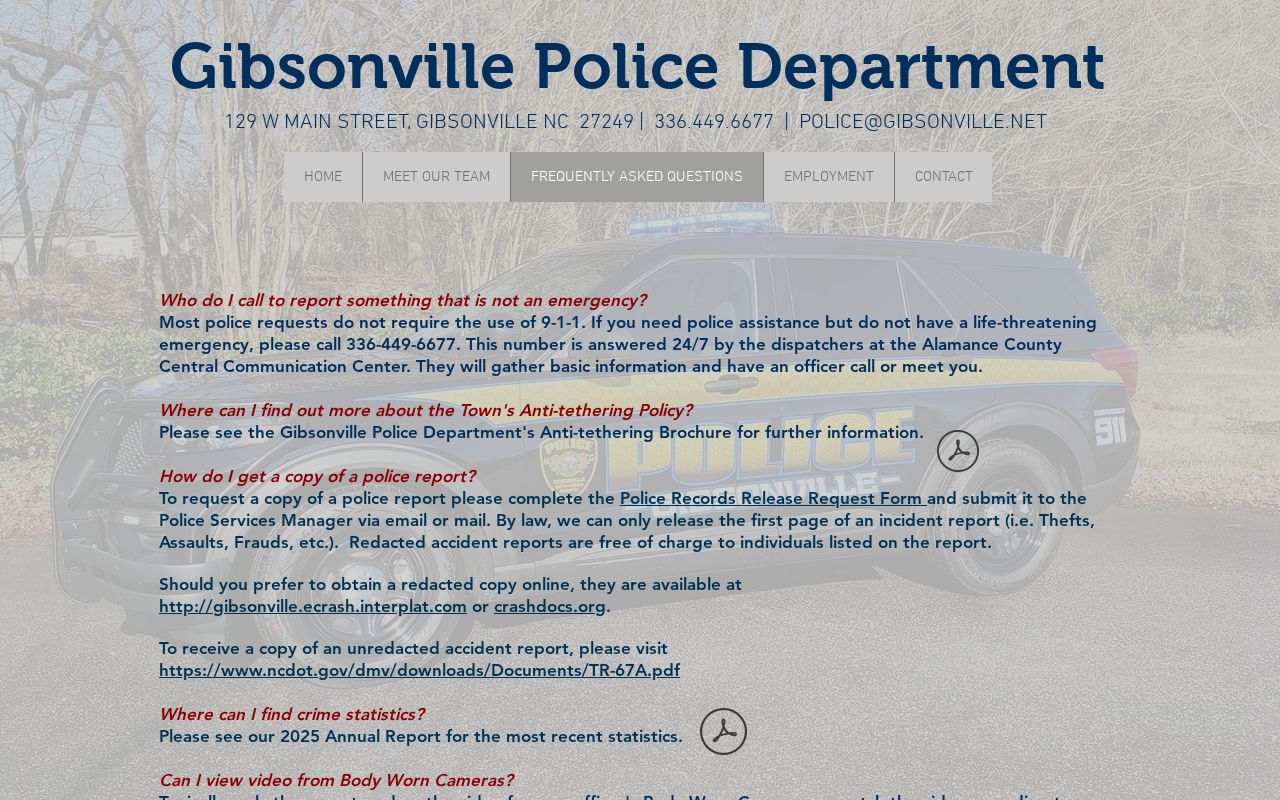
One simple rule follows from the FAQ. Deal with the clerk for the court that actually holds the case, not the town office that took an agency request.
Gibsonville Court Record Appeal Map
A Gibsonville criminal case filed in Guilford can climb from District Court to Superior Court. A District Court criminal appeal gets a fresh trial in Superior Court. A felony travels the Superior Court criminal path instead. Look for the appeal entry in the case history. Expect the next setting to sit in a different court division than the earlier one. A Gibsonville address does not anchor the case in District Court once that move happens.
A Guilford Superior Court judgment can move on to the North Carolina Court of Appeals. That happens when the law allows. A Gibsonville matter filed in Alamance uses that county's own trial and appeal channels. So repeat the county check after any change in status or court level. The clerk holding the active record is the dependable source for the new date and a certified copy. That clerk can also confirm the file's current location.
How Gibsonville Cases Reach the County
Every Gibsonville case begins with an assignment decision. A Guilford case lands in District 24 under the Guilford Clerk and may later reach Superior Court for a felony or a criminal appeal. A non-Guilford Gibsonville case stays inside the other county's system. No city name pulls every case into one court. The county, division, and current hearing listed in the case record tell you where the next step belongs.
Docket flow: Gibsonville location or citation › identify Guilford or Alamance assignment › Guilford cases to District 24 and Clerk › Superior Court for felony or appeal; other cases to the relevant county system.
Gibsonville Court Record Result Limits
A broad Gibsonville name search can fall short, because Portal caps public results at 200. Narrow it down. Add a first name or case number when the live search allows. You can also try a filing date, case type, or status. Portal also offers no charge search. A charge description alone cannot replace a citation or case number. For an older, public, or unclear record, turn to the clerk terminal and the paper-file channel in the correct county.
These limits bite harder in Gibsonville. One town name can point at more than one county system. Search location first, then identifiers.
Who Can See Gibsonville Court Records
Gibsonville court records are public only through the county court system that keeps them. The same North Carolina access limits apply. For a Guilford filing, the Clerk of Superior Court holds both District and Superior Court records. A court may redact confidential content. A juvenile, sealed, or otherwise protected file is not an ordinary public record. An agency report follows different release rules than a court record.
Key Rules:
G.S. 7A-109 requires clerks to maintain court records and permits inspection unless law blocks access.
G.S. 132-6 supports inspection and copies of public records within legal limits.
G.S. 7B-3000 protects juvenile court records from ordinary public inspection.
Confirm both the county and the access level with the clerk that originated the record. A name search into Gibsonville files does not unlock a confidential record. When you make a Gibsonville record request, name the court and county up front. That detail lets a clerk tell whether the public-access question belongs in Guilford or Alamance, and it keeps a town police report from being mistaken for the court file.
Gibsonville case information, court dates, citations, and clerk copies all start with the filed county. Gibsonville records, hearings, copies, and access limits depend on that county check. Redactions, certifications, restrictions, and appeal entries stay questions for the clerk holding the case.