
Guilford County Civil Docket Searches
The statewide eCourts Portal is the first stop for Guilford County civil court dockets online. An exact case number works best. Party and business-name searches help too. Before adding a case type, status, or file-date range, set the Location filter to Guilford so a broad name search does not pull unrelated records from across the state.
Open the matching record number and read the case summary and case events in order. The Clerk of Superior Court keeps the file records for both Superior and District Court. When the online result lacks an image you need, the clerk office offers a public terminal and paper-file inspection as permitted. The Guilford court landing page links the county's local services. For a certified judgment or any certified document, only the clerk in the filing county can issue it.
- Open Portal and select a case search.
- Enter a record number, party name, or business name.
- Set the location to Guilford County.
- Use a civil case type or date filter only when needed.
- Read the event history, hearing information, and final order carefully.
Guilford Civil Causes of Action
Portal places civil, family, probate, and mental-health categories under a Causes of Action area. That section tells you how the court classified the matter. It does not replace the pleading or the order in the actual file. Guilford County readers should pair it with the party roles, the assignment, the case events, and the disposition. An underlying filing may be needed to understand the relief requested or the facts alleged.
The sequence is simple. Identify the record and confirm its Guilford division. Read the event list, then check the latest hearing result. A party-name result is only a lead. It does not prove a case is final, that every document is public, or that a similar caption belongs to the right file.
- Case events
- The chronological entries for filings, notices, hearings, orders, and other court action.
- Causes of Action
- A civil classification area, distinct from a filed pleading and from a search filter.
- Disposition
- The recorded result, which should be read with the actual final order or judgment.
Civil Dockets: What They Show
One Guilford County civil docket ties many pieces together. It holds the parties, the case classification, the location, and the event history in a single court file. Not every category will appear in public results. Hearings and financial information show up only where data exists. Public, nonconfidential documents may open one at a time. If an image is missing, the clerk or the paper file settles it.
| Case information | Record number, filing details, assignment or location, case type, and status. |
|---|---|
| Party information | Party roles, associated names or businesses, and attorney information when returned. |
| Causes of Action | Portal’s civil classification section, not a replacement for the filed complaint or petition. |
| Case events | Chronological filings, service, motions, hearing notices, orders, judgments, transfers, or dismissals. |
| Hearings and disposition | Current setting details and the final status or order when the case has reached that stage. |
For the legal backdrop, North Carolina's public-record definition statute covers court information and records generally. The actual Guilford file still lives with the clerk.
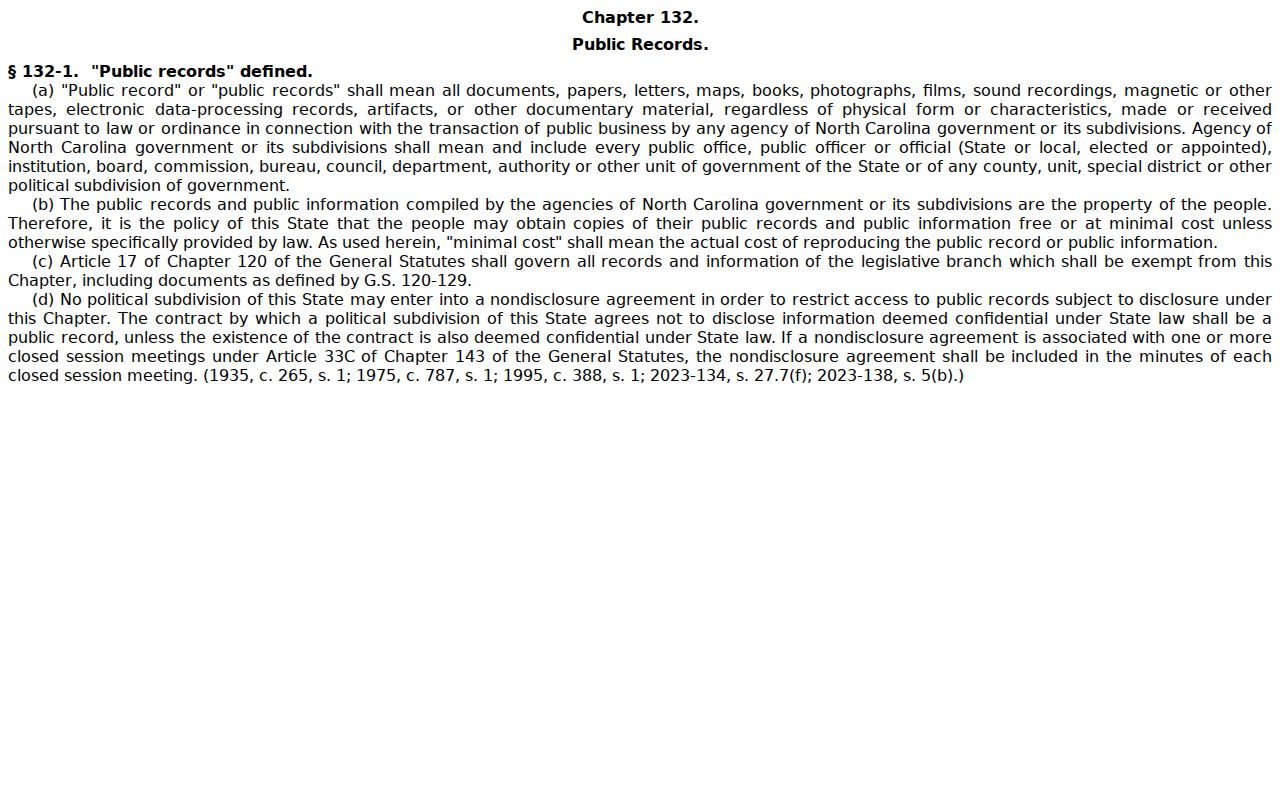
A docket indexes case progress. It is not a promise that every paper in a civil file is available remotely.
Guilford Civil Division Matters
Guilford County civil records are not split into a separate county-clerk portal. The Clerk of Superior Court keeps both Superior and District Court records. Which level hears a matter depends on the claim and statutory jurisdiction. Judicial Branch descriptions put civil cases of $25,000 or more in Superior Court, civil cases under $25,000 in District Court, and small claims up to $10,000 before magistrates, along with certain other matters. Category-specific rules can change the route. Check the current court record and official court guidance.
| Guilford civil route | Record and setting path |
|---|---|
| Superior civil, Greensboro | Portal, clerk Register of Actions, local civil calendar, and Greensboro Superior coordinator for a setting. |
| Superior civil, High Point | Portal and the county clerk record, followed by the High Point division calendar or coordinator. |
| District civil or magistrate matter | Portal or clerk record, with public terminal and paper-file options as appropriate. |
| Estates or special proceedings | Clerk record and public terminal, with Portal information where that public access is available. |
For a date or a filing question, the division is no small detail. The Guilford local rules and forms page carries the county's civil and scheduling materials. Greensboro and High Point Superior civil calendars run separately, though both sit inside Guilford County.
What Cases Fill the Civil Docket
Guilford County civil court dockets can hold civil general cases, foreclosures, magistrate matters, domestic and family cases, estates, special proceedings, confessions of judgment, and non-domestic restraining-order matters. The live Portal list controls the exact labels. Use a category filter to narrow a known search, not to assume anything about a party or how final a case is.
- Civil General matters
- Civil Foreclosure categories
- Civil Magistrate matters
- Special proceedings and estates
- Family or domestic categories where public access is permitted
Civil results may show statuses such as Pending, Appealed, Reopened, Stayed, Transferred, Final Judgment No Trial, or Voluntary Dismissal. Those words describe court procedure, nothing more. Read the final order and the most recent case event for the real context.
Guilford Civil Calendar Call Limits
A calendar call organizes or confirms a civil calendar. It is not automatically the final trial date for every case in that session. Guilford's local administrative schedules cover a lot of ground. They separate Superior Court Greensboro and High Point materials, District Court judge schedules, civil appeals dates, civil trial and motion deadlines, and courtroom-specific entries. That schedule is context only. Portal and the current court direction answer the single-case question.
If a written notice and an online result conflict, do not pick the more convenient date. Check the most recent event or order. Then call the right court office or clerk. For Superior civil cases, the published rules name a Trial Court Coordinator for Greensboro and one for High Point. The older current-on-site rule lists Greensboro at (336) 412-7909 and High Point at (336) 801-5370. Confirming through the current directory is recommended.
Hearings on the Civil Docket
When you check a Guilford County civil hearing, pin it to the case number, the division, the court location, and the live event history. Calendars shift. A notice of hearing or a calendar entry can be overtaken by a continuance, a reset, or a later order. Portal lets you search hearings by case number, party or business name, attorney details, judicial officer, or courtroom, yet the live result still has to be matched to the right Guilford case. That match is on you.
Work a single setting in this order: Portal first, then the relevant Guilford calendar, then a coordinator, court office, or clerk if a question survives. The county's Court Schedule lays out the fuller route for dates, civil sessions, and changes. Treat no older calendar as controlling. Freshness beats everything on a civil docket.
Guilford Civil Judgment Requests
A civil docket entry may show that a judgment, an order, or a voluntary dismissal was entered. The document itself is another matter. Ask the Guilford Clerk of Superior Court for it. The Guilford contact directory lists the county office routes. When you call or write, give the case number and the division if known. Name the document you want. State whether you need a plain or certified copy. The clerk can walk you through inspection, copying, and certification for the file.
Guilford posts no flat fee for a plain or certified court-file copy. State law permits charges for copies, certification, and special services, but looking at a file costs nothing. Get a quote first. That matters most for mailed requests or heavy clerical help with a court record.
Who Can See Civil Dockets
Access to a Guilford County civil docket runs through Portal, public self-service terminals, and paper-file inspection at the clerk office in the filing county. Public does not mean unrestricted. A name search will not unlock nonpublic, confidential, sealed, or redacted material. For a Guilford court-file record, the Clerk of Superior Court is the custodian. That office is also the right source for certification.
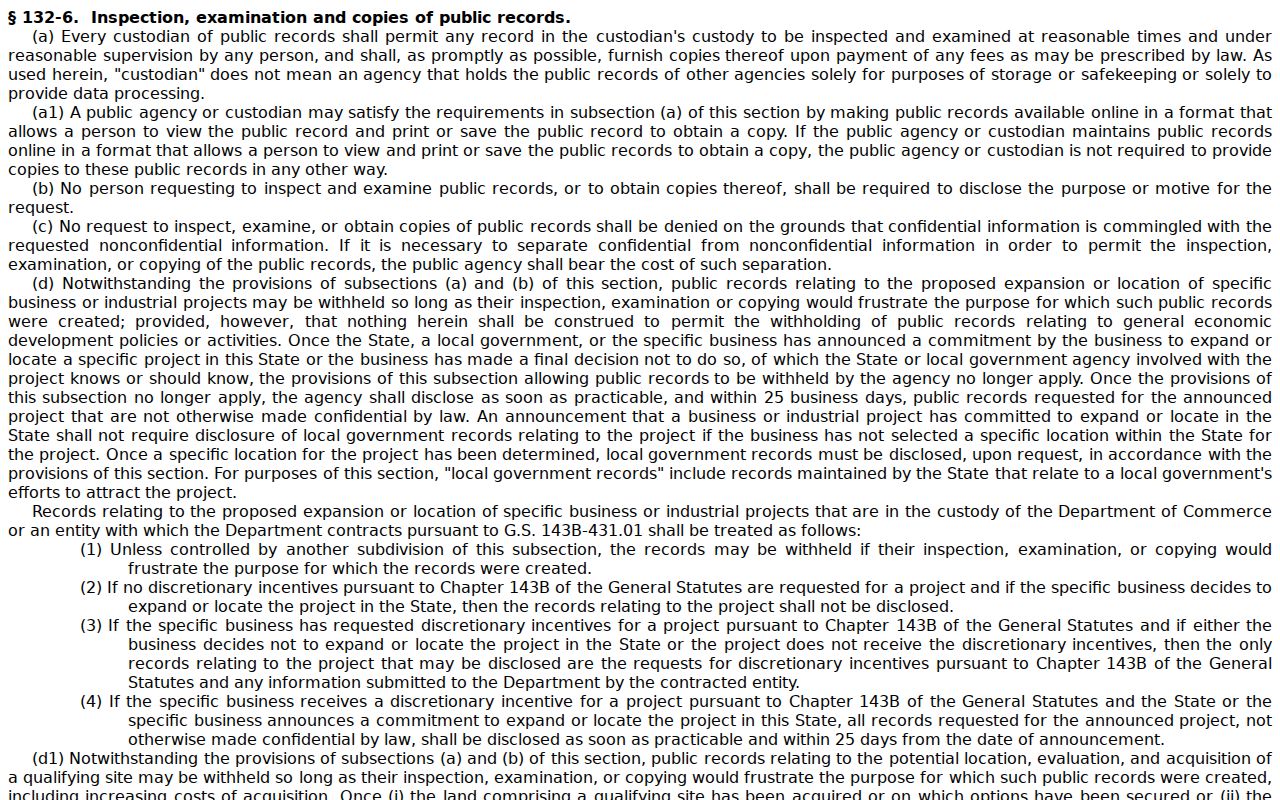
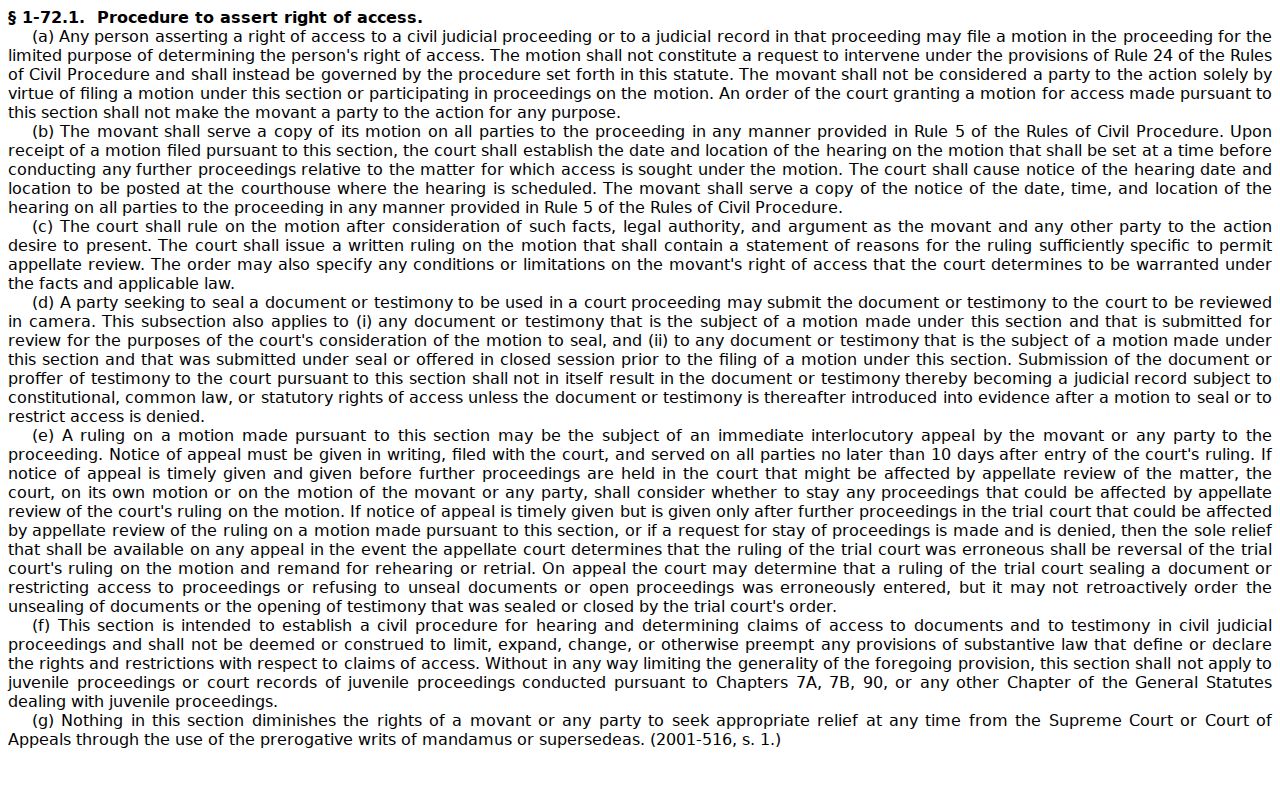
Civil access rules: G.S. 132-6 supports inspection and copies of public records subject to the law’s limits. G.S. 1-72.1 provides a procedure for asserting access to a civil judicial record or proceeding. Rule 27 governs motions to seal confidential material in Superior and District Court practice.
The official G.S. 132-6 source explains the state access duty and its limits.
One more statute belongs on the list. The civil judicial-record access statute sets out the procedure for asserting access to a civil judicial record or proceeding.
These statewide sources frame the rules. For a specific Guilford filing, the record itself and any governing order decide the access answer.
Guilford Civil Restricted Record Paths
A missing civil case result can mean several things. It may reflect a restricted category, a seal, an access entitlement, an older file, or a plain search mismatch. It is not proof of any outcome. Guilford County readers should first fix the identifier and filters, then move to the clerk terminal or ask the Clerk of Superior Court whether a public file can be inspected or copied.
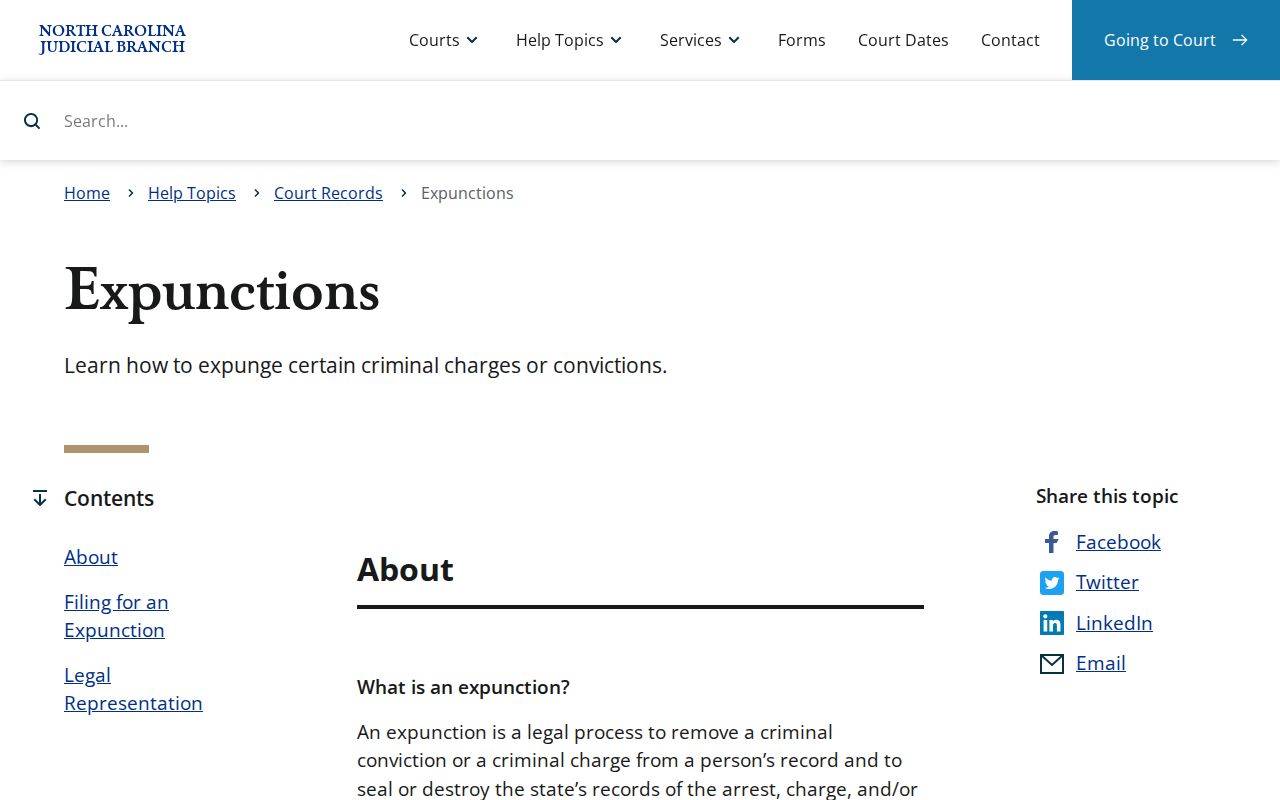
One path sits outside all of this. The Judicial Branch expunction information describes a separate legal process for qualifying records. It does not establish that a specific civil or criminal record has been removed.
For a sealed or confidential matter, the case-specific order plus the applicable statute control access. Court staff can explain public-record channels, but they cannot give legal advice on an individual restriction request.